
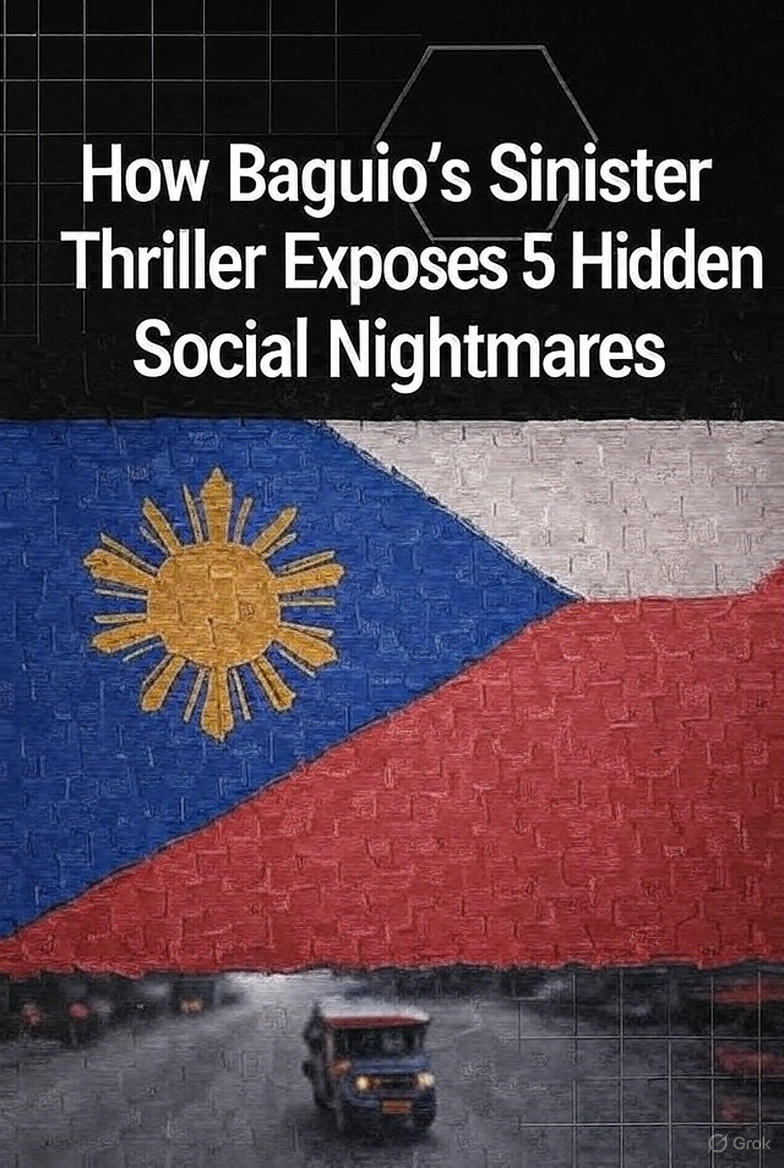

In the pine-scented chill of Baguio, where fog clings to the hills like unspoken regrets, the city’s eternal spring hides a festering rot. This gripping tale of digital deceit and personal unraveling unfolds against the backdrop of Session Road’s bustling cafes and the shadowy trails of Camp John Hay. Amid the trending shadows of online disinformation, mental health struggles, and the relentless grind of economic survival—plagues hitting hard on the 15-to-45 crowd in the Philippines—Lila Cruz, a 28-year-old social media influencer, discovers that the lies she chases could cost her everything. This well-written, easy-to-read suspense thriller weaves social commentary into a narrative as haunting as the city’s midnight mists, pulling you into a world where viral posts can destroy lives.
Chapter One: The Viral Ghost
Lila sipped her tsokolate in a corner booth at a Burnham Park café, her phone screen glowing like a false dawn. At 28, she was Baguio’s reluctant digital darling—10,000 followers on TikTok, where she posted about sustainable living in the Cordilleras, mental health check-ins during PUGSV (post-university graduate survival vibes), and rants against the inflation eating her freelance editing gigs. But today, her feed was poisoned. A deepfake video of her, slurring antigovernmental slurs at a fictional protest, had exploded overnight. “Traitor to the youth!” the comments screamed. Hashtag #CancelLila trending nationwide.
She hadn’t left her rented flat in Loakan for days—another symptom of the burnout epidemic sweeping her generation. The Philippines’ youth, from Manila’s call-center warriors to Baguio’s remote workers, were drowning in a sea of fake news. According to recent reports, concern over online disinformation had hit a record 67% among 18-to-24-year-olds, with women like Lila bearing the brunt—70% fretting over manipulated videos that could torch careers. Her hands trembled as she scrolled; this wasn’t just a glitch. Someone had weaponized her face against the very causes she championed: gender equality campaigns and mental health awareness drives that had finally cracked through Baguio’s conservative veil.
Across the street, under the dripping eaves of a pine-lined sidewalk, Marco Tan watched her. A 32-year-old former journalist turned ghostwriter for shady PR firms, he’d moved to Baguio to escape Manila’s heat—and his own debts. Gig economy blues hit him hard: irregular pay, no benefits, just endless pitches in a city where rent rivaled the view. He recognized the video’s telltale glitches—the unnatural blink, the dubbed voice. He’d seen ops like this before, fueled by political trolls ahead of the 2025 midterms. Political dynasties, corruption whispers—everyone knew the game. But this? It felt personal, like the fog rolling in from Kennon Road, thick and suffocating.
Chapter Two: Echoes in the Pines
Baguio’s markets buzzed with the weekend rush—vendors hawking ukay-ukay bargains and fresh strawberries—but Lila felt exposed, every stare a potential doxxer. She met Marco at a hidden ukay spot in the public market, drawn by an anonymous DM: “I know who faked you. Meet or lose everything.” He slid into the booth, his eyes shadowed like the city’s perpetual overcast. “It’s not random,” he said, voice low over the sizzle of barbecue. “Your posts on women’s rights and climate action pissed off the wrong sponsors. Big money from logging firms, tied to those old political families up here. They use AI tools now—cheap, untraceable. And with elections looming, disinformation’s their ballot box.”
Lila’s mind raced. At 28, she was smack in the demographic hammered by these trends: 25-to-34-year-olds leading the charge on social media advocacy, yet crippled by poverty rates hovering at 18% in rural edges like Benguet. Mental health? A silent killer—suicide rates among youth up 20% post-pandemic, per hushed DepEd talks. Her own therapy sessions, squeezed between content creation and side hustles, were a luxury she could barely afford. “Why me?” she whispered. Marco leaned in, showing her a thread of leaked chats: trolls paid peanuts to amplify lies, turning #MentalHealthMatters into a punchline for the elite.
Their uneasy alliance formed over shared adobo at a hole-in-the-wall eatery near SM. Marco confessed his complicity—ghostwriting smear pieces for cash to pay off student loans that chained him like the city’s foggy chains. Lila, daughter of Igorot farmers displaced by urban sprawl, saw her reflection in his story: the economic squeeze forcing 40% of her age group into informal work, no safety net, just the grind. As night fell, they hiked the misty trails of Mirador, where Baguio’s lights twinkled like false promises. A notification pinged: another deepfake, this one accusing her of fraud in a fake charity scam. The lies were metastasizing, her follower count plummeting, sponsors ghosting.
Chapter Three: Fractures in the Fog
The heart of Baguio’s secrets lay in its underbelly—the informal settlements clinging to the hillsides, where OFW remittances barely stemmed the tide of inflation. Lila and Marco traced the video’s IP to a dingy net cafe in La Trinidad, a hub for low-wage click farms. Inside, amid the hum of fans and flickering screens, they confronted Rina, a 22-year-old barista moonlighting as a troll. “It’s survival,” she spat, eyes hollow from sleepless shifts. “P20 per post, enough for my mom’s meds. You think we don’t know disinformation’s killing us? But when mental health clinics close because of budget cuts—poof, another hashtag buried.”
Rina’s confession cracked open the rot: a network funded by entrenched politicians, peddling corruption cover-ups as “truth.” Dynasties like the ones dominating Benguet’s halls, siphoning environmental funds while pine forests fell to illegal quarries. Lila, triggered by Rina’s raw plea—”I want to study, but loans? Forget it”—flashed back to her own dropout days, crushed by the national learning crisis where 90% of kids her little brother’s age couldn’t read basics. The fog outside thickened, mirroring the mental haze descending on Lila: panic attacks in the night, the weight of isolation that claimed so many in her cohort.
Marco uncovered the puppet master—a mid-level operative named Tomas Reyes, exiled to Baguio after a Manila scandal. In a tense stakeout at the historic Ifugao House, they overheard his call: “Amp up the gender bait. Make her the villain—say she’s anti-family.” It was classic playbook, exploiting the low support for progressive issues like LGBTQ+ rights (barely 34% in polls). But as they fled into the rain-slicked streets, a motorcycle tail—echoing the death squads haunting urban poor neighborhoods—forced a desperate dash through the mist-shrouded Botanical Garden.
Chapter Four: Dawn Over the Abyss
The climax erupted at the base of the Lion’s Head overlook, where Baguio’s panoramic sprawl mocked the tiny lives below. Lila, cornered by Tomas and his goons, broadcast live on her dwindling feed: unfiltered truth about the disinformation machine, the mental toll of economic despair, the hypocrisy of leaders preaching progress while youth unemployment idled at 15%. Marco, fighting off an attacker in the underbrush, captured it all—raw footage that cut through the fog like morning light.
Tomas sneered, “You’re just noise in the algorithm.” But Lila’s voice, steady despite the terror, went viral for real this time. #RealBaguioVoices trended, amplified by advocates from Manila to Davao. Rina, redeeming herself, leaked the network’s files. As sirens wailed and the mist lifted, Lila stood breathless, Marco at her side. The arrests followed—small victories in a war far from over.
In the end, Baguio’s chill air carried a fragile hope. Lila rebuilt, channeling her platform into a podcast on youth mental health, while Marco turned whistleblower, exposing the gig economy’s dark side. This gripping thriller, set in the City of Pines, mirrors the Philippines’ 2025 pulse: disinformation’s venom, mental fractures from relentless hustle, and the unyielding fight for equity among the 15-to-45 brigade. It’s a story that chills not just with suspense, but with the recognition that in the fog of trends, truth is the ultimate unraveling.
Why This Story Resonates
This suspense thriller captures Baguio’s ethereal allure—its cool breezes and hidden trails—while delving into pressing Philippine social issues like online disinformation (a record-high concern for young adults), mental health crises amid economic pressures, and barriers to education and gender equality. With crisp prose and breakneck pacing, it’s an easy read that entertains while sparking vital conversations, perfect for fans of socially charged crime fiction.
FAQs About Whispers in the Mist
What social issues does this thriller highlight?
It spotlights trending concerns among 15-45-year-olds in the Philippines, including online disinformation, mental health struggles, economic inequality, and advocacy for gender equality and education access.
How does Baguio enhance the story’s atmosphere?
The city’s misty hills and pine forests create a haunting, isolating backdrop that mirrors the characters’ internal battles with deception and despair, amplifying the suspense.
Is the story based on real trends?
Yes, drawing from 2025 reports on rising disinformation worries (67% among youth), mental health epidemics, and economic hurdles like inflation and gig work instability.
Who would enjoy this suspense thriller?
Fans of atmospheric crime stories with social depth, like those by F.H. Batacan, especially readers aged 15-45 grappling with these very issues.
Where can I find similar reads on Philippine social issues?
Check out works exploring urban myths and modern woes, or follow #MentalHealthPH for real-life inspirations that echo the tale’s urgency.
Step into Baguio’s whispers, where every shadow holds a truth worth fighting for.


