


The Philippine Charity Sweepstakes Office (PCSO) runs one of the country’s most popular forms of entertainment, blending hope with charitable contributions. Millions participate regularly, drawn by the allure of life-changing jackpots. But behind the excitement, key questions persist for players and analysts: over the past decade, has the lotto grand prize winners percentage Philippines improved, and how have payout sizes evolved?
This in-depth review examines PCSO data from 2015 to 2025, focusing on jackpot trends in major games like Ultra Lotto 6/58 and Grand Lotto 6/55. It reveals a clear paradox—bigger prizes but persistently tough odds—while offering insights into responsible play amid influences like social media and mental health.
A Century of Chance: The History of Lotto in the Philippines
The PCSO traces its roots to 1935, when sweepstakes first funded public health and welfare initiatives. Modern number-based games emerged in the 1990s with formats like 6/42 and 6/45, allowing players to choose combinations and boosting potential jackpots.
The last 10 years brought higher-stakes options, including Grand Lotto 6/55 in 2010 and Ultra Lotto 6/58 in 2015. These shifts created massive rollovers, turning ordinary draws into national events and elevating average winnings significantly.
Analyzing the Data: Lotto Grand Prize Winners Percentage Philippines
Two metrics matter most: the size of grand prizes and the lotto grand prize winners percentage Philippines (how often draws produce a jackpot winner).
1. The Trend in Grand Prize Amounts (Winnings)
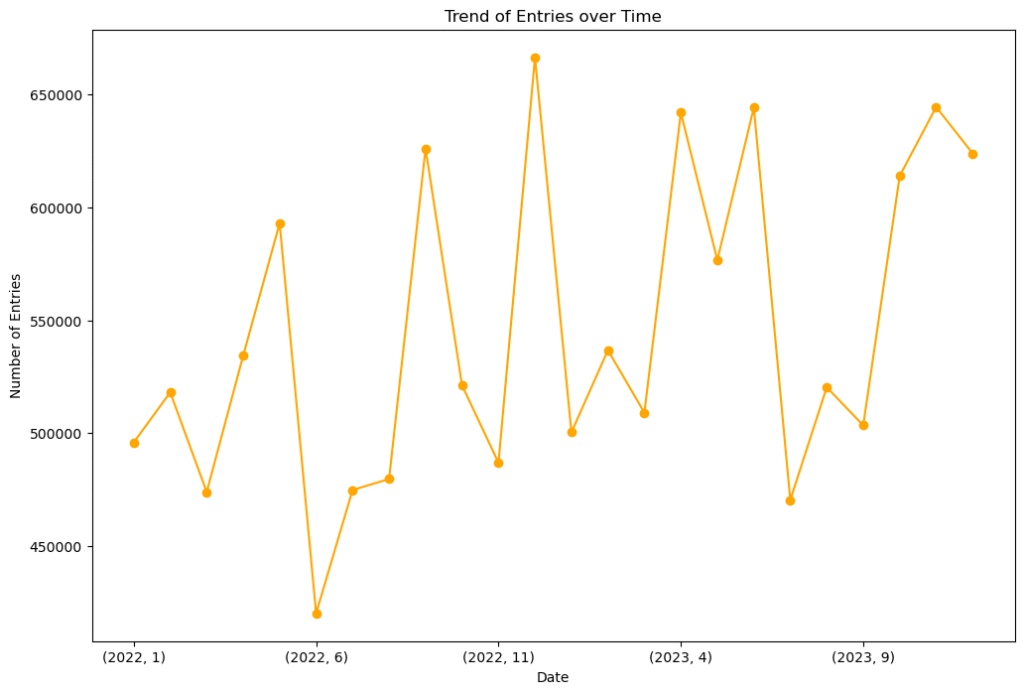
Jackpot sizes have surged over the decade, driven by tougher games and frequent rollovers.
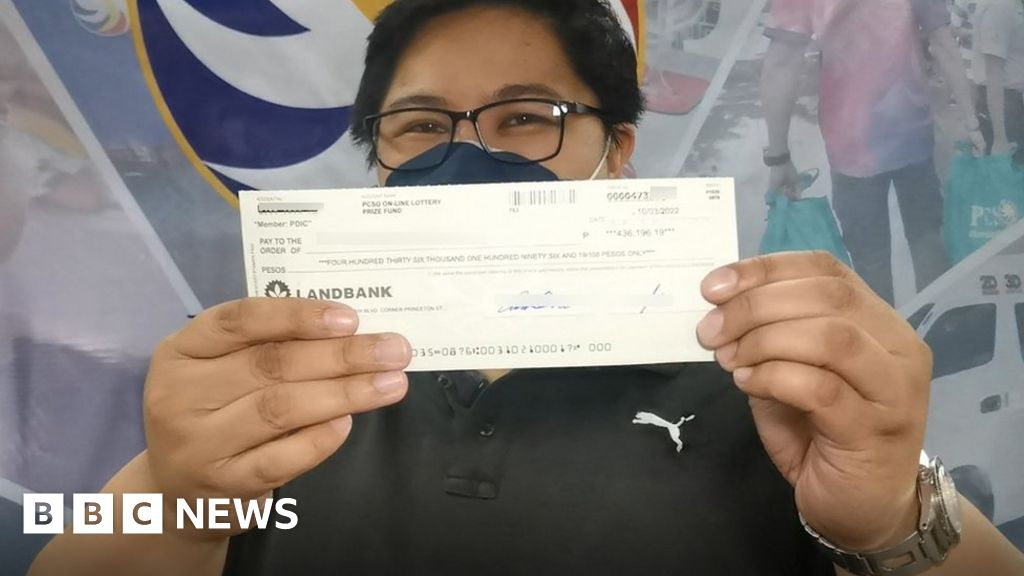
- Record prizes include the ₱1.18 billion Ultra Lotto 6/58 win (shared by two bettors in 2018) and multiple payouts exceeding ₱600-700 million in recent years.
- Higher number matrices (like 6/58) delay matches, causing pots to compound and draw more participants.
Verdict: Average and peak winnings have risen dramatically.
2. The Trend in Winner Frequency (Percentage)
The lotto grand prize winners percentage Philippines stays low and stable, governed by fixed mathematical odds.
| Lotto Game | Odds of Winning Jackpot | Impact on Winner Frequency |
|---|---|---|
| Lotto 6/42 | 1 in 5.2 million | Higher frequency; more regular winners |
| Mega Lotto 6/45 | 1 in 8.1 million | Moderate; balanced rollovers |
| Super Lotto 6/49 | 1 in 13.9 million | Lower frequency |
| Grand Lotto 6/55 | 1 in 28.9 million | Extended rollovers; rarer winners |
| Ultra Lotto 6/58 | 1 in 40.4 million | Lowest frequency; biggest pots |
Tougher games mean fewer draws end with a winner, keeping the lotto grand prize winners percentage Philippines challenging despite surging sales during big jackpots.
Key Factors Influencing Lotto Payouts and Winner Frequency
Several elements shape these trends:
- Game Expansion: New formats like 6/58 segment players and extend rollovers for headline-grabbing prizes.
- Jackpot Euphoria: Massive pots spike participation, slightly raising the chance someone hits the combination.
- Digital Amplification and Social Media and Mental Health: Viral stories of winners fuel dreams but can distort reality. Constant exposure to success highlights on platforms ties into broader concerns about social media and mental health, fostering unrealistic expectations and financial pressure.
Responsible Engagement in a Digital Age
Lotto supports vital charity work, but balance matters. The link between social media and mental health appears when online narratives glamorize instant wealth, potentially encouraging over-reliance on luck. PCSO promotes anonymity for winners and responsible gaming resources to counter these risks, reminding players that lotto is entertainment, not a strategy—especially amid debates on social media and mental health.
Experts stress treating it as fun, not finance. Viewing others’ wins online can amplify social media and mental health strains, underscoring mindful habits.
Conclusion
Over the past 10 years, Philippine lotto grand prizes have grown exponentially thanks to rollover mechanics and tougher odds. Yet the lotto grand prize winners percentage Philippines remains low and unchanged—true to the math. This paradox underscores why informed, responsible play is essential.
Check the official PCSO site for current jackpots and results. Play wisely, and remember: the real win is supporting charity.
Frequently Asked Questions (FAQs)
Q1: What is the highest recorded lotto grand prize in the Philippines?
The Ultra Lotto 6/58 reached ₱1.18 billion in 2018, shared by two winners—the largest in PCSO history.
Q2: How is the lotto grand prize winners percentage Philippines calculated?
It measures how often draws produce a jackpot winner. Individual odds stay fixed (e.g., 1 in 40.4 million for 6/58), but higher sales during big pots can slightly boost the chance of any winner.
Q3: How do taxes affect Philippine lotto winnings?
Winnings over ₱10,000 face a 20% final tax under the TRAIN Law, deducted before payout.
Q4: Has the lotto grand prize winners percentage Philippines improved recently?
No—the percentage remains low due to tougher game formats, though massive jackpots occasionally lead to quicker wins from increased tickets.


