
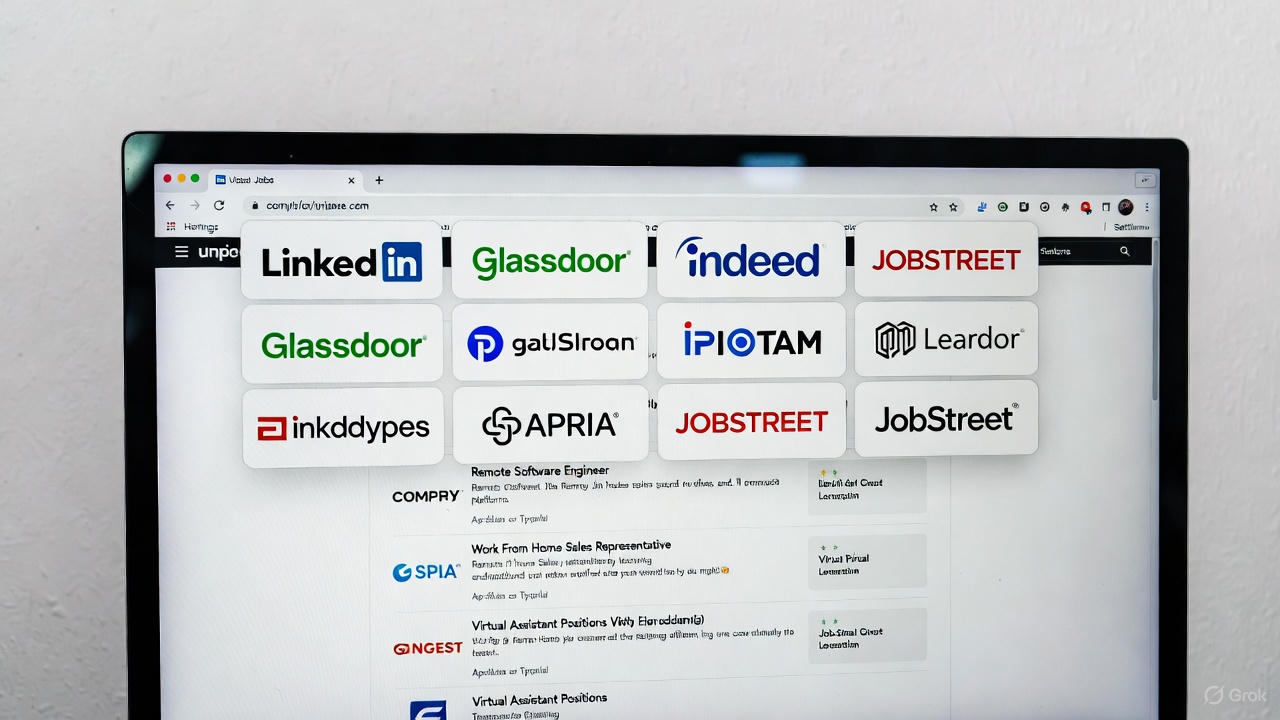

The APAC Remote Work Revolution: Why 2025 is Your Year
The Asia-Pacific (APAC) region has cemented itself as a global hub for remote work. Driven by technological infrastructure advancements, favorable digital nomad policies, and a booming startup ecosystem, the demand for skilled remote professionals—from software developers to specialized marketers—is surging.
Securing a high-value remote role requires more than just submitting a CV; it demands strategic platform selection and focused networking. This comprehensive guide, built on current market dynamics and projections for the next year, offers the definitive strategy to help you Find Remote Jobs in Asia: Best Recruitment Platforms 2025. We will navigate the noise of the standard job boards and pinpoint the precise locations where top-tier opportunities reside.
Tier 1: Specialized Platforms to Find Remote Jobs in Asia
While global sites like LinkedIn are essential, the most lucrative remote roles in Asia are often posted on specialized boards catering directly to cross-border or regionally focused employment needs. For 2025, prioritizing these niche platforms will drastically improve your success rate.
1. High-Quality APAC-Focused Job Boards
These platforms are essential for finding roles explicitly tagged for remote work within the Asian time zones.
- JobStreet / SEEK Asia: Though traditionally fixed-location, their remote tagging has significantly improved. They are dominant in Southeast Asia (Malaysia, Singapore, Philippines) and are the first stop for large regional corporations seeking fully remote, contract, or hybrid employees operating within Asian business hours.
- e27 and Tech in Asia Jobs: If your expertise lies in tech, venture capital, or high-growth startups, these platforms are indispensable. They feature roles that often come with competitive, Silicon Valley-level compensation, with many startups having embraced remote-first policies since 2020.
- Remote Work Hubs (Global with Strong APAC Filters): Platforms like Remote.co, WeWorkRemotely, and especially Dynamite Jobs (popular among digital nomad communities) have excellent geographic filters that allow you to isolate opportunities only in Asia or those offering “work from anywhere” flexibility that caters to Asian time zones.
2. The Freelance and Contract Market Gateways
For those interested in contract-based remote work, platforms that handle compliance and cross-border payments are seeing significant growth as companies look to hire global talent without full entity setup obligations.
- Deel, Remote, and Globalization Partners: These are not traditional job boards, but Employer of Record (EOR) services now host job portals showcasing roles offered by their client companies. These roles are guaranteed remote and often involve full compliance and benefit packages, making them high-value opportunities to Find Remote Jobs in Asia.
Tier 2: Leveraging Professional Networks and Country-Specific Powerhouses
To maximize visibility and access to unposted roles, a multi-pronged strategy encompassing local knowledge and professional networking is crucial.
Focused Networking on LinkedIn Sales Navigator
In 2025, passive job searching is not enough. Use LinkedIn’s search tools to target HR leaders, Talent Acquisition Managers, and executive teams at Asia-based companies known for remote flexibility (e.g., Shopify, Stripe, or major regional fintechs). Personalized outreach often bypasses the general application pool.
Country-Specific Platforms for Niche Roles
While pan-Asian platforms are broad, certain countries maintain strong local job markets:
- Wantedly (Japan/Singapore): Focuses heavily on culture fit and smaller, innovative startups. Excellent for finding high-skill, specialized roles in Japanese and Singaporean tech ecosystems that offer remote options.
- JobsDB (Hong Kong/Thailand): Strong for finance, media, and marketing roles that may offer flexible or remote contracts originating from key regional business centers.
The Complete Remote Worker: Managing Social Media and Mental Health
The transition to remote work in Asia offers immense freedom, but it comes with unique psychological challenges. Successful remote professionals in 2025 proactively manage their well-being, an often overlooked component of career longevity.
The relentless pressure inherent in the job search process, often amplified by observing curated successes on public platforms, necessitates a sharp focus on social media and mental health. Studies repeatedly show that excessive screen time and the blurring of professional and personal digital lives can lead to burnout and digital fatigue.
To maintain peak performance while you Find Remote Jobs in Asia, you must establish firm digital boundaries:
- Scheduled Digital Detoxes: Dedicate specific times each day or week to disconnect entirely from professional channels and job search notifications.
- Curated Feeds: Recognize that constant exposure to professional highlight reels on social media and mental health are directly linked. Unfollow accounts that trigger comparison anxiety and prioritize community groups over broad consumption.
- Acknowledge Remote Isolation: Remote workers often miss incidental social interaction. Actively scheduling virtual coffees or meetups is essential to mitigate the negative feedback loop between isolation and excessive digital scrolling.
- Awareness of Screen Time Strain: The strain of being perpetually online, whether working or searching, elevates stress. A strong strategy for balancing career ambitions with proactive steps regarding your social media and mental health is non-negotiable for long-term remote success.
- Professional Development and Well-being: High-ranking candidates understand that career growth is tethered to stable well-being. Investing time outside of professional applications to focus on personal fitness and mitigating the pervasive influence of social media and mental health challenges will ensure you arrive at your new role energized and resilient. This focus on social media and mental health is a key differentiator for top talent.
Preparing Your 2025 Application: Skills and Visas
To successfully compete for these opportunities, your professional profile must be tailored for the Asian remote market.
Skill Alignment
Asian companies highly value proficiency in asynchronous communication, cultural intelligence, and specialized skills in data science, cybersecurity, and multilingual customer success. Ensure your resume highlights quantifiable results rather than just responsibilities.
The Visa Advantage
While many remote roles allow you to work from your home country, the ability to relocate quickly to, say, Thailand or Indonesia provides a significant competitive edge. Researching the rise of specialized digital nomad visas Asia offers (like the long-term residents’ visa in specific countries) can make you a more attractive candidate for international employers.
The strategic pursuit to Find Remote Jobs in Asia: Best Recruitment Platforms 2025 is highly achievable by focusing your efforts on specialized platforms and viewing your digital well-being as paramount to professional success.
Conclusion: Securing Your Asian Remote Future
The landscape for remote work is shifting from a temporary trend to a cornerstone of modern employment, particularly across APAC. By utilizing the specific platforms detailed above and adopting a proactive approach to managing the inherent demands of digital life—especially the delicate balance between social media and mental health—you position yourself ahead of the competition.
Start optimizing your profile today. The vibrant and rewarding remote careers in Asia are waiting.
Call to Action (CTA)
Ready to make the move? Review your top three target platforms from this list and update your professional profiles immediately. Share this guide with a fellow professional seeking high-value remote work opportunities in Asia.
Frequently Asked Questions (FAQs)
Q1: What are the highest-paying remote job sectors in Asia for 2025?
The highest compensation packages are typically found in specialized fields such as Cybersecurity, DevOps Engineering, and technical sales roles that focus on the North Asian and Singaporean markets. Fintech and HealthTech startups across the region are also offering highly competitive salaries for skilled talent.
Q2: Do Asian employers require remote workers to align with their time zones?
It depends on the company. While some roles (especially those involving customer support or project management) strictly require alignment with Asian business hours (e.g., GMT+8), many tech and development roles allow for more flexibility, requiring only overlap during core team meeting times. Always clarify time zone expectations early in the interview process.
Q3: How important is addressing social media and mental health in the context of remote work interviews?
While you wouldn’t directly discuss your scrolling habits, demonstrating an awareness of work-life balance and proactive strategies for managing digital boundaries shows maturity and resilience—qualities highly valued in remote staff. Mentioning your strategies for maintaining focus and avoiding burnout can be beneficial.
Q4: Are digital nomad visas necessary to work remotely for an Asian company?
If you plan to live in the Asian location while working remotely, a proper visa is usually required. Working purely remotely from your home country (outside of Asia) generally does not require an Asian visa, but local labor laws and tax implications must be reviewed. The availability of formalized digital nomad visas in countries like Thailand, Indonesia, and Malaysia is making compliance easier for those who wish to relocate.


