

In the dynamic world of personal finance, one name consistently stands out for Filipinos: the Pag-IBIG Fund. As we step into 2025, its status as the most powerful government savings program remains undisputed, boasting over 17 million active members and an impressive ₱55.65 billion in dividends paid out this year alone.
If you’ve been asking yourself, “What exactly is Pag-IBIG?”, “Who qualifies for it?”, or “What are its real benefits and drawbacks?”, you’ve landed in the right place. This updated guide cuts through the jargon, breaking down everything you need to know – from membership rules to those tempting dividend rates and honest drawbacks.
What Exactly is Pag-IBIG Fund?
Officially known as the Home Development Mutual Fund (HDMF), Pag-IBIG is more than just a savings account; it’s a long-term savings scheme launched in 1978. Its core mission is ingenious: by pooling employee and employer contributions, it creates a robust fund to provide members with affordable housing loans, high-yield dividends, and crucial emergency cash.
In essence, Pag-IBIG is a forced savings plan that consistently pays you back better than any traditional bank, all while offering access to housing loans at rates that conventional lenders simply can’t match.
Need proof? The fund declared a record-breaking 6.60% dividend for regular savings and an even more impressive 7.10% for Modified Pag-IBIG 2 (MP2) in 2024 (paid out in early 2025). These figures didn’t just meet inflation; they beat digital bank rates hands down, making your money work harder for you.
Who Qualifies for Pag-IBIG Membership in 2025?
Pag-IBIG membership is broadly categorized into two clear groups:
Mandatory Members:
This group automatically includes a vast segment of the Filipino workforce:
- All private and government employees currently covered by SSS
- Overseas Filipino Workers (OFWs)
- Household helpers earning at least ₱1,000 monthly
- Self-employed professionals registered with SSS
Important Note: Employers are legally obligated to deduct and match contributions. Failing to do so can result in penalties under RA 9679.
Voluntary Members:
The beauty of Pag-IBIG is its inclusivity. If you don’t fall under the mandatory categories, you can still join!
- Unemployed Filipinos aged 18–65
- Non-working spouses
- Students and out-of-school youth
- Former members who wish to continue saving
Anyone can sign up voluntarily with a minimum of just ₱200 monthly—no income proof needed! This accessibility is why the questions “What is Pag-IBIG, who qualifies and what are the benefits and downsides” resonate with everyone from fresh graduates to freelancers looking to secure their financial future.
Major Benefits of Being a Pag-IBIG Member
Once you become an active member (meaning you have at least 24 monthly contributions under your belt), a world of advantages opens up:
- High Dividend Earnings (Tax-Free!):
- Regular savings: Enjoyed a 6.60% dividend (2024 rate).
- MP2 savings: Reaped an incredible 7.10% (for a 5-year term, with a minimum contribution of ₱500).
- Both rates crush typical 4–6% digital bank offers and are completely tax-free, meaning more money stays in your pocket.
- Low-Interest Housing Loans:
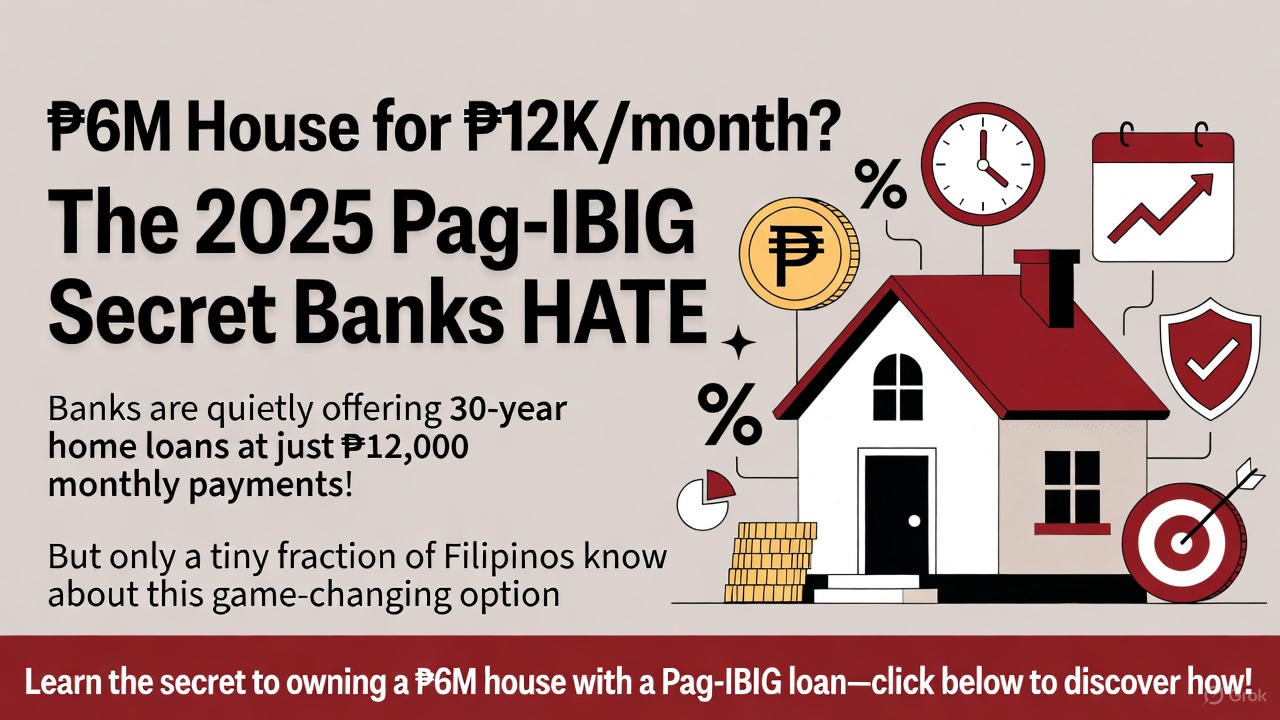
- Access up to ₱6 million with an incredibly low 6.25% interest rate, fixed for 3 years (this promotional rate is extended until December 2025!).
- Minimum-wage earners receive a special, even lower 3% rate, making homeownership truly within reach.
- Flexible terms up to 30 years means manageable monthly payments—as low as ₱18,000/month for a ₱3 million loan.
- Quick Cash Loans:
- Multi-Purpose Loan: Borrow up to 80% of your Total Accumulated Value (TAV) for various needs.
- Calamity Loan: A lifesaver with a low 5.95% interest, often released within 24–48 hours for those in disaster-declared areas.
- Loyalty Card Plus Perks:
- Receive a free ATM card that doubles as a discount card! Enjoy savings at partner merchants like Mercury Drug, Puregold, and many others.
Downsides of Pag-IBIG Membership You Should Know
No financial product is perfect, and Pag-IBIG is no exception. Here are the honest drawbacks to consider:
- Money Is Locked Long-Term:
- Your regular savings cannot be withdrawn until you reach age 45 (with 240 contributions), retirement, or permanent departure abroad.
- MP2 funds are locked for a 5-year term. While offering higher returns, an early pullout means you sacrifice all the dividends earned.
- Dividends Are Not Guaranteed:
- While historically impressive (consistently 6–7%), dividend rates depend on the fund’s annual performance. A bad year, though rare, could potentially lead to lower returns.
- Mandatory Contributions Can Feel Heavy:
- Self-employed individuals must pay both the employee and employer shares (up to ₱400/month).
- Missing two consecutive months of contributions will pause all your benefits until you catch up on arrears.
- Loan Processing Delays:
- Securing a housing loan can take 10–20 days. The strict documentation requirements can sometimes be a hurdle, especially for first-timers.
- Employer Remittance Issues:
- Unfortunately, some companies occasionally delay or even fail to remit their employees’ contributions. If this happens, members lose out on potential dividends until the issue is rectified.
Despite these potential downsides, the overwhelming consensus among members is that the benefits far outweigh the cons, especially when comparing Pag-IBIG to pure bank savings.
Real Member Stories in 2025
“I started my MP2 with just ₱1,000 monthly back in 2020. Now, with the incredible 7.1% dividend, my savings have grown to nearly ₱950,000! It’s truly amazing.” – Carlo, Call Center Agent, Makati
“The biggest downside for me was waiting for all the housing loan documents to be processed, but the waiting game was well worth it. I estimate I saved about ₱1.2 million in interest alone compared to what a bank loan would have cost me.” – Liza, Nurse, Dubai OFW
Pag-IBIG Contribution Table 2025
Understanding your monthly contribution is straightforward:
| Monthly Salary | Employee Share | Employer Share | Total |
|---|---|---|---|
| Up to ₱5,000 | ₱100 | ₱100 | ₱200 |
| Over ₱5,000 | 2% (max ₱200) | 2% (max ₱200) | ₱400 |
For Self-employed/Voluntary Members: Your contribution typically ranges from ₱200–₱400 based on your declared income.
FAQs: What is Pag-IBIG, Who Qualifies and What Are the Benefits and Downsides?
Q: Is Pag-IBIG membership mandatory? A: Yes, for all SSS-covered employees and Overseas Filipino Workers (OFWs). It’s voluntary for everyone else aged 18–65.
Q: How much dividend will Pag-IBIG give in 2025? A: For 2024 contributions (paid out in early 2025), regular savings earned 6.60% and MP2 earned 7.10% – these are among the highest rates in years!
Q: Can unemployed Filipinos join Pag-IBIG? A: Absolutely! You can register online via Virtual Pag-IBIG and pay a voluntary minimum of ₱200 monthly.
Q: What happens if I stop paying contributions? A: Your benefits will be paused after two consecutive missed months. You can resume them by paying your arrears.
Q: Is Pag-IBIG better than bank savings accounts? A: Yes, generally, for long-term savings. The combination of significantly higher dividends, the inherent government guarantee, and unparalleled access to low-interest housing loans makes it a no-brainer for those looking to grow their money and achieve homeownership.
Ready to Build Your Future the Smart Way?
Stop wondering what is Pag-IBIG, who qualifies, and what are the benefits and downsides. With its proven track record, record-high dividends, and accessible housing loans, Pag-IBIG Fund offers a secure path to financial growth for every Filipino.
Take control of your future earnings and homeownership dreams. Register today at Virtual Pag-IBIG and start building your financial foundation now. Don’t forget to bookmark this page for your next contribution reminder!In the dynamic world of personal finance, one name consistently stands out for Filipinos: the Pag-IBIG Fund. As we step into 2025, its status as the most powerful government savings program remains undisputed, boasting over 17 million active members and an impressive ₱55.65 billion in dividends paid out this year alone.
If you’ve been asking yourself, “What exactly is Pag-IBIG?”, “Who qualifies for it?”, or “What are its real benefits and drawbacks?”, you’ve landed in the right place. This updated guide cuts through the jargon, breaking down everything you need to know – from membership rules to those tempting dividend rates and honest drawbacks.
What Exactly is Pag-IBIG Fund?
Officially known as the Home Development Mutual Fund (HDMF), Pag-IBIG is more than just a savings account; it’s a long-term savings scheme launched in 1978. Its core mission is ingenious: by pooling employee and employer contributions, it creates a robust fund to provide members with affordable housing loans, high-yield dividends, and crucial emergency cash.
In essence, Pag-IBIG is a forced savings plan that consistently pays you back better than any traditional bank, all while offering access to housing loans at rates that conventional lenders simply can’t match.
Need proof? The fund declared a record-breaking 6.60% dividend for regular savings and an even more impressive 7.10% for Modified Pag-IBIG 2 (MP2) in 2024 (paid out in early 2025). These figures didn’t just meet inflation; they beat digital bank rates hands down, making your money work harder for you.
Who Qualifies for Pag-IBIG Membership in 2025?
Pag-IBIG membership is broadly categorized into two clear groups:
Mandatory Members:
This group automatically includes a vast segment of the Filipino workforce:
- All private and government employees currently covered by SSS
- Overseas Filipino Workers (OFWs)
- Household helpers earning at least ₱1,000 monthly
- Self-employed professionals registered with SSS
Important Note: Employers are legally obligated to deduct and match contributions. Failing to do so can result in penalties under RA 9679.
Voluntary Members:
The beauty of Pag-IBIG is its inclusivity. If you don’t fall under the mandatory categories, you can still join!
- Unemployed Filipinos aged 18–65
- Non-working spouses
- Students and out-of-school youth
- Former members who wish to continue saving
Anyone can sign up voluntarily with a minimum of just ₱200 monthly—no income proof needed! This accessibility is why the questions “What is Pag-IBIG, who qualifies and what are the benefits and downsides” resonate with everyone from fresh graduates to freelancers looking to secure their financial future.
Major Benefits of Being a Pag-IBIG Member
Once you become an active member (meaning you have at least 24 monthly contributions under your belt), a world of advantages opens up:
- High Dividend Earnings (Tax-Free!):
- Regular savings: Enjoyed a 6.60% dividend (2024 rate).
- MP2 savings: Reaped an incredible 7.10% (for a 5-year term, with a minimum contribution of ₱500).
- Both rates crush typical 4–6% digital bank offers and are completely tax-free, meaning more money stays in your pocket.
- Low-Interest Housing Loans:
- Access up to ₱6 million with an incredibly low 6.25% interest rate, fixed for 3 years (this promotional rate is extended until December 2025!).
- Minimum-wage earners receive a special, even lower 3% rate, making homeownership truly within reach.
- Flexible terms up to 30 years means manageable monthly payments—as low as ₱18,000/month for a ₱3 million loan.
- Quick Cash Loans:
- Multi-Purpose Loan: Borrow up to 80% of your Total Accumulated Value (TAV) for various needs.
- Calamity Loan: A lifesaver with a low 5.95% interest, often released within 24–48 hours for those in disaster-declared areas.
- Loyalty Card Plus Perks:
- Receive a free ATM card that doubles as a discount card! Enjoy savings at partner merchants like Mercury Drug, Puregold, and many others.
Downsides of Pag-IBIG Membership You Should Know
No financial product is perfect, and Pag-IBIG is no exception. Here are the honest drawbacks to consider:
- Money Is Locked Long-Term:
- Your regular savings cannot be withdrawn until you reach age 45 (with 240 contributions), retirement, or permanent departure abroad.
- MP2 funds are locked for a 5-year term. While offering higher returns, an early pullout means you sacrifice all the dividends earned.
- Dividends Are Not Guaranteed:
- While historically impressive (consistently 6–7%), dividend rates depend on the fund’s annual performance. A bad year, though rare, could potentially lead to lower returns.
- Mandatory Contributions Can Feel Heavy:
- Self-employed individuals must pay both the employee and employer shares (up to ₱400/month).
- Missing two consecutive months of contributions will pause all your benefits until you catch up on arrears.
- Loan Processing Delays:
- Securing a housing loan can take 10–20 days. The strict documentation requirements can sometimes be a hurdle, especially for first-timers.
- Employer Remittance Issues:
- Unfortunately, some companies occasionally delay or even fail to remit their employees’ contributions. If this happens, members lose out on potential dividends until the issue is rectified.
Despite these potential downsides, the overwhelming consensus among members is that the benefits far outweigh the cons, especially when comparing Pag-IBIG to pure bank savings.
Real Member Stories in 2025
“I started my MP2 with just ₱1,000 monthly back in 2020. Now, with the incredible 7.1% dividend, my savings have grown to nearly ₱950,000! It’s truly amazing.” – Carlo, Call Center Agent, Makati
“The biggest downside for me was waiting for all the housing loan documents to be processed, but the waiting game was well worth it. I estimate I saved about ₱1.2 million in interest alone compared to what a bank loan would have cost me.” – Liza, Nurse, Dubai OFW
Pag-IBIG Contribution Table 2025
Understanding your monthly contribution is straightforward:
| Monthly Salary | Employee Share | Employer Share | Total |
|---|---|---|---|
| Up to ₱5,000 | ₱100 | ₱100 | ₱200 |
| Over ₱5,000 | 2% (max ₱200) | 2% (max ₱200) | ₱400 |
For Self-employed/Voluntary Members: Your contribution typically ranges from ₱200–₱400 based on your declared income.
FAQs: What is Pag-IBIG, Who Qualifies and What Are the Benefits and Downsides?
Q: Is Pag-IBIG membership mandatory? A: Yes, for all SSS-covered employees and Overseas Filipino Workers (OFWs). It’s voluntary for everyone else aged 18–65.
Q: How much dividend will Pag-IBIG give in 2025? A: For 2024 contributions (paid out in early 2025), regular savings earned 6.60% and MP2 earned 7.10% – these are among the highest rates in years!
Q: Can unemployed Filipinos join Pag-IBIG? A: Absolutely! You can register online via Virtual Pag-IBIG and pay a voluntary minimum of ₱200 monthly.
Q: What happens if I stop paying contributions? A: Your benefits will be paused after two consecutive missed months. You can resume them by paying your arrears.
Q: Is Pag-IBIG better than bank savings accounts? A: Yes, generally, for long-term savings. The combination of significantly higher dividends, the inherent government guarantee, and unparalleled access to low-interest housing loans makes it a no-brainer for those looking to grow their money and achieve homeownership.
Ready to Build Your Future the Smart Way?
Stop wondering what is Pag-IBIG, who qualifies, and what are the benefits and downsides. With its proven track record, record-high dividends, and accessible housing loans, Pag-IBIG Fund offers a secure path to financial growth for every Filipino.
Take control of your future earnings and homeownership dreams. Register today at Virtual Pag-IBIG and start building your financial foundation now. Don’t forget to bookmark this page for your next contribution reminder!


