
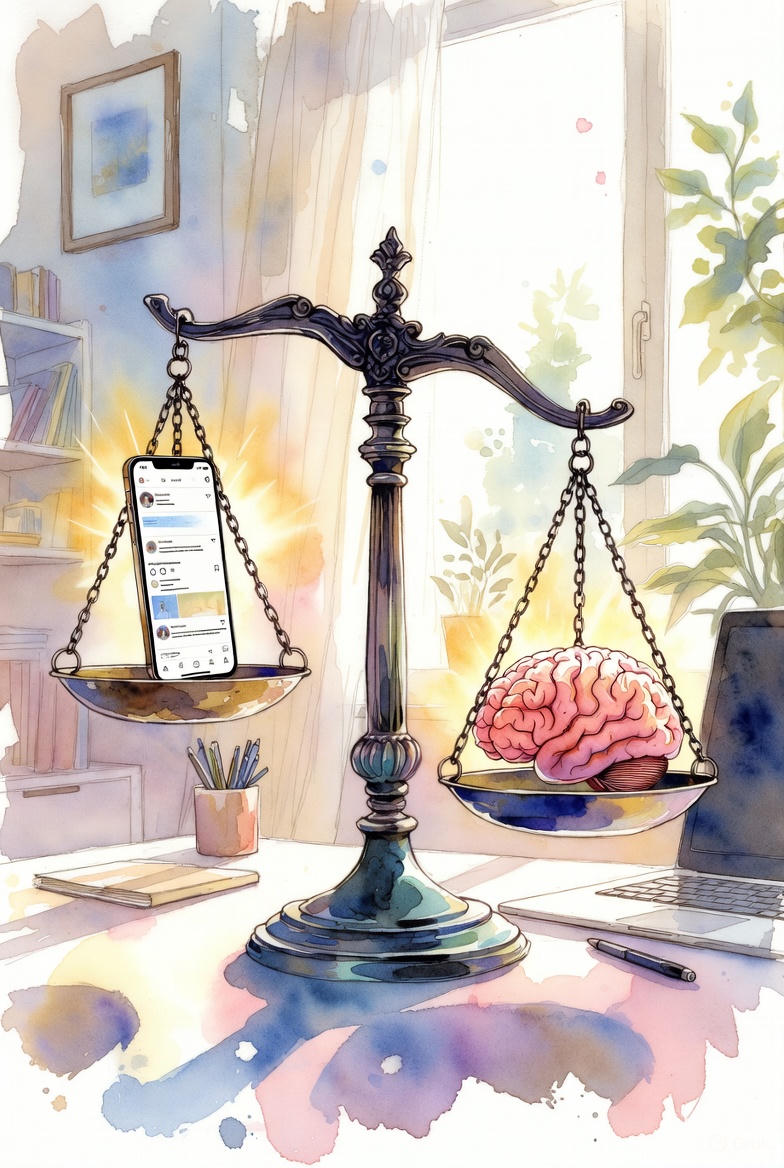

We live our lives in a constant stream of updates, stories, and reels. Platforms like Instagram, TikTok, and X (formerly Twitter) aren’t just for entertainment; they’ve become the town squares of our time, shaping how we connect, consume information, and even measure our self-worth. But as our daily scroll time climbs, a critical question emerges: at what cost to our mental peace?
The statistics are telling. A 2025 Pew Research Center survey reveals nearly two-thirds of U.S. teens are on social media daily, with one-third checking their feeds “almost constantly.” For adults, the average daily screen time on these platforms hits 2.5 hours, according to Statista. This isn’t just casual browsing; it’s a powerful force with a documented influence on our anxiety levels, self-esteem, and sleep patterns.
As a professional writer who has focused on creating empathetic, user-centric content for over two decades, I’ve seen how crucial it is to address complex topics with clarity and actionable advice. This guide breaks down the evolving landscape of social media and mental health with fresh 2025 insights, offering practical steps to help you foster a healthier, more intentional relationship with your digital life.
The Double-Edged Sword: Where Social Media Shines
Let’s be clear: social media isn’t inherently bad. When used mindfully, it can be a profound source of good. A 2025 Cybersmile report notes that 55% of Gen Z users actively seek out mental health information on these platforms, often through authentic, peer-led groups. Its positive impacts are significant:
- Community Building: For those feeling isolated, apps like Reddit and Facebook Groups can be a lifeline. They connect people with shared experiences—from managing anxiety to navigating grief—reducing stigma and fostering belonging. Studies from the Journal of Technology in Behavioral Science show participation in these spaces can cut feelings of loneliness by up to 30%.
- Awareness and Access: Hashtags like #MentalHealthMatters amplify vital stories and resources. Inspirational content, from quick therapy tips to body-positive reels, can genuinely boost mood and resilience. Recent surveys indicate these channels drive 23% of users to seek professional help.
- Global Support Networks: During personal or global crises, platforms enable real-time check-ins and support. An impressive 64% of teen girls cite social media as a key source for emotional resources and validation.
These benefits highlight that social media and mental health can exist in a positive partnership—but it requires intentional curation.
The Flip Side: Understanding the Risks to Mental Health
For all its benefits, the negative correlation between excessive social media use and poor mental health is undeniable. The U.S. Surgeon General’s 2023 advisory, with echoes in 2025 updates, states that adolescents spending over three hours daily on social media face double the odds of experiencing poor mental health outcomes like anxiety and low self-worth.
The primary concerns include:
- Social Comparison and FOMO: We’re constantly bombarded with curated highlight reels of other people’s lives. According to ElectroIQ stats, 55% of users feel others portray an unrealistically “perfect” life online. This fuels a “fear of missing out” (FOMO) and envy, which spikes cortisol levels and is linked to 28% of teens reporting feelings of depression triggered by social media.
- Cyberbullying and Toxicity: The digital anonymity of platforms can bring out the worst in people. Harassment affects a staggering 41% of users, many of whom alter their own behavior (like untagging photos) to avoid judgment. A study in Nature Human Behaviour found that youth with pre-existing mental health conditions spend 46% more time online, inadvertently amplifying their exposure to this negativity.
- Sleep and Productivity Disruption: The link between screen time and poor sleep is well-established. 45% of teens directly link their social media use to poor rest, with girls affected more severely (50% vs. 40% for boys). The blue light from screens and the constant ping of notifications fragment our focus, contributing to broader issues like burnout.
| Negative Impact | Affected Group | 2025 Statistic |
|---|---|---|
| Anxiety/Depression | Teens | 25% of girls report significant harm |
| Loneliness | Adults | 38% feel more isolated due to use |
| Sleep Issues | All Users | 45% cite interference with rest |
Vulnerable Voices: The Impact on Youth
Teens and young adults often bear the brunt of social media’s negative effects. A striking 73% of 18-24-year-olds now view these platforms as net detrimental to their mental health. The impact is not equal; girls face steeper odds, experiencing 20% more negativity than boys, per CropInk data. These effects are often amplified for minorities and those with pre-existing mental health conditions. It’s no wonder that 66% of parents express significant worry about the impact on their children’s sleep and academic performance.
Reclaiming Control: 7 Practical Tips for Healthier Habits
The good news is that we are not powerless. A landmark study from the University of Pennsylvania demonstrated that reducing social media use to just 30 minutes per day resulted in a significant 25% reduction in anxiety and loneliness over three weeks.
Here’s how you can start building better digital habits today:
- Conduct a Feed Audit: Your timeline should serve you, not drain you. Unfollow accounts that trigger comparison or negativity. Actively follow uplifting creators, mental health advocates, and educational pages. Aim for a feed where 80% of the content makes you feel good.
- Set Hard Time Limits: Use the built-in digital wellness tools on your devices (like Screen Time on iOS or Digital Wellbeing on Android) to cap your daily social media use. Start with 60 minutes and try to reduce from there.
- Curate Your Interactions: Shift from passive scrolling to active engagement. Prioritize sending DMs and commenting meaningfully on close friends’ posts over mindlessly liking celebrity photos. Real connection combats isolation.
- Establish Digital Detox Rituals: Create phone-free zones and times. A great start is a mandatory “no screens” rule one hour before bedtime. Swap your phone for a book, journal, or conversation.
- Perform Mindful Check-Ins: Get in the habit of pausing mid-scroll. Ask yourself: “Is this content lifting me up or bringing me down?” If the answer is the latter, close the app.
- Seek Real-World Connections: Actively balance online interaction with offline life. Host a game night, call a friend, or join a local club or sports team.
- Report and Reflect: Don’t tolerate cyberbullying—use reporting tools. Additionally, take five minutes each week to journal about how social media made you feel. Identifying triggers is the first step to managing them.
These steps, endorsed by organizations like the APA and The JED Foundation, can transform your feed from a source of stress into a tool for wellness.
The Road Ahead: A Collective Responsibility
Looking forward, the conversation must expand. With an estimated 210 million people globally facing social media addiction risks by 2026, the onus is not just on individuals. Tech companies must prioritize user well-being through transparent algorithms, robust age-verification tools, and built-in well-being features.
As users, parents, and educators, we must advocate for comprehensive digital literacy education in schools. Ultimately, navigating social media and mental health is about reclaiming your agency. Small, consistent tweaks can yield a significant return on your peace of mind.
Frequently Asked Questions (FAQs)
1. How does social media negatively affect mental health? Heavy use is correlated with increased rates of anxiety, depression, and poor sleep. Teens who exceed three hours of daily use double their risk of these negative outcomes.
2. Can social media actually improve mental health? Yes. When used intentionally, it can provide vital community support, raise awareness, and destigmatize issues. 64% of users value it as a key source for emotional resources and support networks.
3. What are the signs of unhealthy social media habits? Key signs include feeling irritable or anxious after using apps, experiencing intense FOMO, neglecting real-world responsibilities, and noticing a significant disruption in your sleep patterns.
4. How much social media is too much? Research suggests that limiting use to under 30 minutes per day can minimize negative impacts and even improve well-being. Remember, the quality of your engagement is more important than the quantity of time.
5. What tips do you have for parents concerned about their kids? Model healthy behavior with your own device use. Have open, non-judgmental conversations about their online experiences and feelings. Utilize family plan settings (resources can be found on sites like HHS.gov) to set agreed-upon boundaries.
6. Is social media addiction real? Yes, it is a recognized behavioral addiction, affecting an estimated 4.7% of users globally. Breaking the cycle often starts with a digital detox, setting strict boundaries, and enlisting an accountability buddy.
(Conclusion)
Your mental well-being is your most valuable asset. In our hyper-connected world, taking proactive steps to protect it online is no longer optional—it’s essential.
Ready to audit your habits? Start with just one tip from this article today. Your mind will thank you for the shift.
If you or someone you know is struggling, please seek help from a qualified mental health professional. Share this post if you found it helpful—let’s continue to normalize this critical conversation.


