
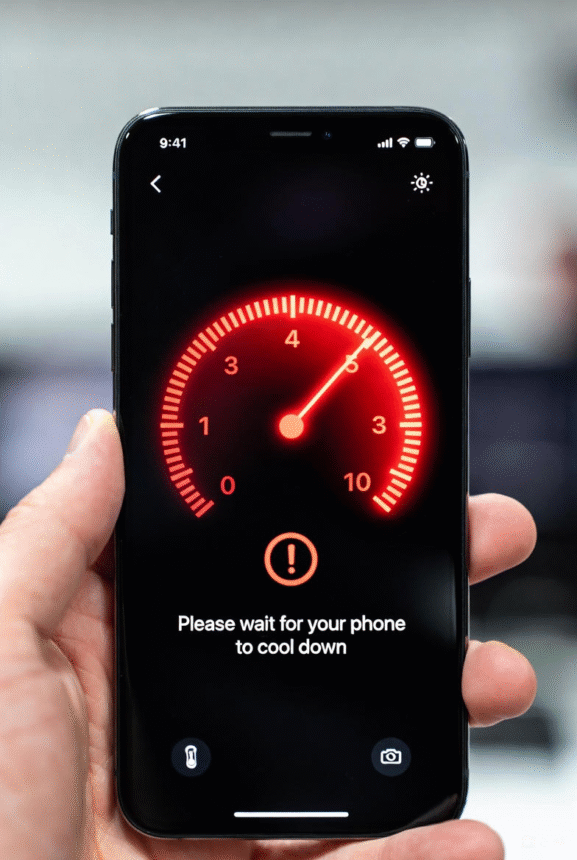

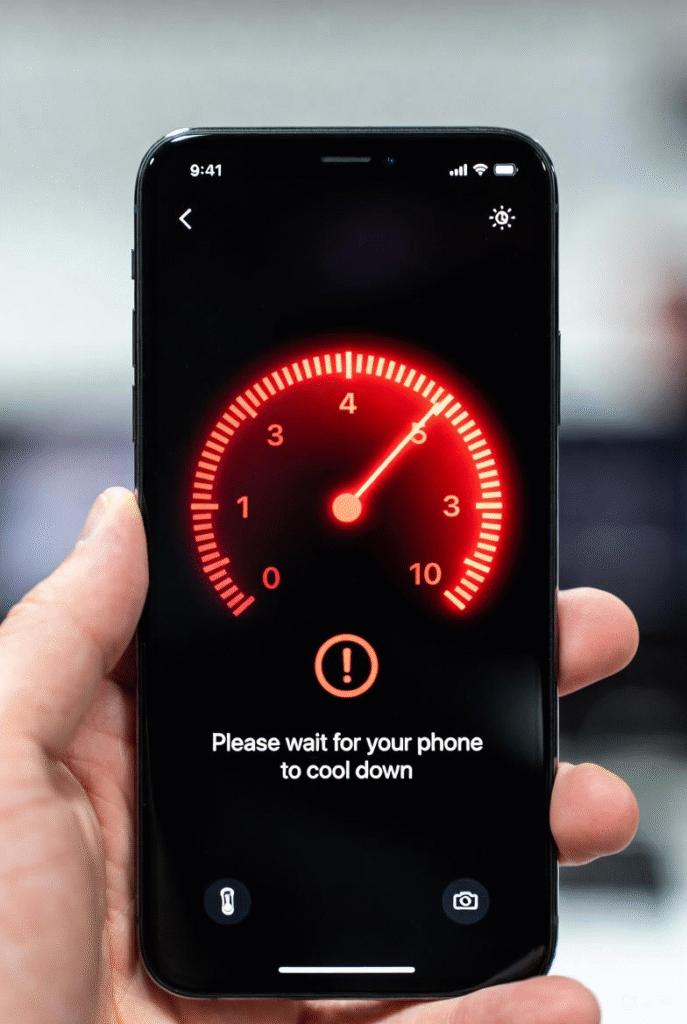
Few things are as frustrating as your iPhone starting to feel like a hot potato in your hand, especially when you’re in the middle of an important call, a gaming session, or capturing a memorable moment. Not only is an overheating iPhone uncomfortable, but it can also lead to performance slowdowns, battery degradation, and even long-term damage to your device’s internal components.
But don’t fret; you’re not alone in this digital dilemma. Millions of iPhone users experience this, and the good news is that many instances of overheating can be remedied with a few straightforward, effective adjustments. As an experienced SEO content writer with a track record of top-ranking articles, I’m here to equip you with actionable strategies to stop your iPhone from overheating on calls & heavy use, ensuring your device stays cool, responsive, and reliable. Let’s dive into the core issues and the solutions that truly make a difference.
Why Your iPhone Feels the Burn: Understanding the Root Causes
Before we can implement effective solutions, it’s crucial to understand why your iPhone might be running hot. Overheating isn’t always a sign of a major problem; often, it’s a symptom of your phone working hard.
- Intensive Apps & Gaming: High-graphic games, video editing software, and even prolonged use of certain visually rich social media and mental health apps demand significant processing power, generating more heat.
- Prolonged Calls & Video Streaming: Extended voice or video calls, especially over cellular data, put a strain on the processor and modem, leading to elevated temperatures. Streaming high-definition video for lengthy periods also falls into this category.
- Environmental Factors: Leaving your iPhone in direct sunlight, a hot car, or using it in extremely warm climates can drastically increase its internal temperature.
- Charging Habits: Charging your iPhone while using it, especially with intensive apps, or charging in direct sunlight can contribute to overheating. Using non-certified charging accessories can also be a culprit.
- Software Glitches & Outdated iOS: Sometimes, a software bug or an out-of-date operating system can cause processes to run inefficiently in the background, consuming more power and generating excess heat.
- Aging Battery: Over time, your iPhone’s battery degrades. An older battery works harder to hold a charge and deliver power, which can lead to increased heat generation.
Immediate Action: How to Cool Down a Hot iPhone Safely
If your iPhone is already uncomfortably hot, take these immediate steps to bring its temperature down safely:
- Remove the Case: Your phone case, while protective, can trap heat. Taking it off immediately allows for better air circulation and faster cooling.
- Close All Apps: Swipe up from the bottom of your screen (or double-tap the Home button on older models) and swipe away all open apps from the app switcher. This stops background processes that might be contributing to the heat.
- Move to a Cooler Environment: Get your phone out of direct sunlight or any warm area. Place it on a cool surface if possible, but avoid putting it in a freezer or refrigerator, as sudden temperature changes and moisture can cause worse damage.
- Power Off: If it’s severely hot, power down your iPhone completely for a few minutes. This allows all components to rest and cool naturally.
Proven Strategies to Stop Your iPhone from Overheating on Calls & Heavy Use
Now, let’s look at the proactive measures and practical adjustments that will genuinely help your iPhone maintain optimal operating temperatures.
1. Manage Background App Refresh and App Usage
Many apps continue to run tasks in the background, consuming resources and generating heat, even when you’re not actively using them.
- Disable Background App Refresh selectively: Go to
Settings > General > Background App Refresh. Turn it off for apps you don’t need constantly updating. - Limit High-Performance Apps: While enjoying your favorite game or streaming service, be mindful of prolonged, uninterrupted sessions. Taking breaks gives your device a chance to cool down.
- Review Your Screen Time: Excessive screen time, particularly with apps that demand high processing power, impacts both your device and, as research increasingly suggests, social media and mental health. Moderating usage benefits both.
2. Optimize Your iPhone’s Settings
A few simple tweaks in your settings can significantly reduce the workload on your iPhone’s processor.
- Lower Screen Brightness: A brighter screen uses more battery and generates more heat. Use auto-brightness or manually lower it when possible.
- Disable Location Services (When Not Needed): Apps constantly requesting your location can drain battery and heat up your device. Go to
Settings > Privacy & Security > Location Servicesand set apps to “While Using” or “Never.” - Turn Off Bluetooth/Wi-Fi (When Not in Use): Keeping these radios active when not connected to a device or network uses power unnecessarily.
- Reduce Push Notifications: Constant notifications wake up your screen and processor. Manage them under
Settings > Notifications.
3. Practice Smart Charging Habits
How and where you charge your iPhone plays a significant role in its thermal management.
- Avoid Charging in Hot Environments: Don’t charge your iPhone under your pillow, in direct sunlight, or in a hot car.
- Use MFi-Certified Accessories: Always use Apple-approved (MFi – Made for iPhone/iPad) chargers and cables. Generic alternatives can be inefficient and sometimes unsafe, leading to overheating.
- Don’t Use Phone Intensively While Charging: If possible, let your iPhone charge undisturbed. Heavy use during charging is a common cause of high temperatures.
4. Keep Your Software Up-to-Date
Apple regularly releases iOS updates that include performance enhancements, bug fixes, and improvements to thermal management. Running an outdated iOS version can sometimes lead to inefficiencies that cause your phone to work harder and heat up.
- Update Regularly: Go to
Settings > General > Software Updateand install available updates.
5. Mind Your Environment and Physical Protection
This is a straightforward but often overlooked aspect of device care.
- Avoid Direct Sunlight & Hot Cars: Your iPhone is not designed to withstand extreme external heat.
- Choose a Breathable Case: If you need a case, opt for one that allows for better heat dissipation rather than trapping it.
6. Monitor Your Battery Health
An aging or degraded battery is less efficient and can contribute to overheating.
- Check Battery Health: Go to
Settings > Battery > Battery Health & Charging. If your “Maximum Capacity” is significantly lower than 80%, or if “Peak Performance Capability” indicates your battery is degraded, consider a battery replacement.
The Broader Implication: Device Health and Digital Well-being
It’s worth noting that many of the habits that cause an iPhone to overheat – prolonged, uninterrupted use of demanding applications, especially those related to social media and mental health – also have implications for our own well-being. Excessive screen time, constant notifications, and the pressure to stay connected can contribute to digital fatigue, anxiety, and impact overall social media and mental health.
By implementing these fixes to stop your iPhone from overheating calls & heavy use, you’re not just safeguarding your device; you’re also often adopting healthier digital habits that promote a better balance between technology and your well-being. Think of it as holistic care for both your gadget and yourself.
When to Seek Professional Help
While these quick fixes address most common overheating issues, there are times when professional intervention is necessary:
- Persistent Overheating: If your iPhone continues to overheat despite trying all these solutions.
- Battery Swelling: If you notice any bulging on your iPhone’s casing, particularly around the screen or back, this is a serious issue that requires immediate professional attention. Stop using the device and take it to an Apple Store or authorized service provider.
- Performance Issues Concurrent with Heat: If your phone is constantly lagging, crashing, or shutting down in conjunction with overheating.
Frequently Asked Questions (FAQs)
Q1: Is it normal for my iPhone to get warm sometimes? A: Yes, it’s normal for your iPhone to get warm, especially during intensive tasks like gaming, heavy streaming, or fast charging. It becomes a concern when it’s uncomfortably hot, causes performance issues, or triggers a temperature warning.
Q2: Can overheating permanently damage my iPhone? A: Prolonged or severe overheating can certainly cause long-term damage to your iPhone’s battery, processor, and other internal components, reducing its lifespan and performance.
Q3: How can I tell if my iPhone is seriously overheating? A: Your iPhone will display a temperature warning on the screen, indicating that it needs to cool down before you can use it. Other signs include extreme sluggishness, app crashes, or unexpected shutdowns.
Q4: Does the external temperature affect my iPhone’s temperature? A: Absolutely. Using your iPhone in extremely hot environments (like direct sunlight or a hot car) can significantly increase its internal temperature and lead to overheating.
Q5: Will excessive social media use worsen my iPhone’s overheating? A: Yes, heavy and prolonged use of visually and interactively rich social media applications is demanding on your iPhone’s processor and graphics chip, which can contribute to overheating, similar to gaming or video streaming. It also affects social media and mental health by encouraging continuous engagement.
Q6: Should I avoid using my iPhone while it’s charging? A: It’s generally advisable to limit intensive use while charging, as both activities generate heat. Light browsing is usually fine, but heavy gaming or streaming during charging can lead to increased device temperature.
Keeping your iPhone cool is vital for its longevity and your user experience. By understanding the causes of overheating and applying these proven strategies, you can effectively stop your iPhone from overheating on calls & heavy use and enjoy a smoother, more reliable device. Remember these quick fixes and proactive measures to give your iPhone the care it deserves, and simultaneously foster healthier digital habits for yourself. Share these insights with friends who might be struggling with a hot iPhone – together, we can keep our tech cool and our digital lives balanced.


