
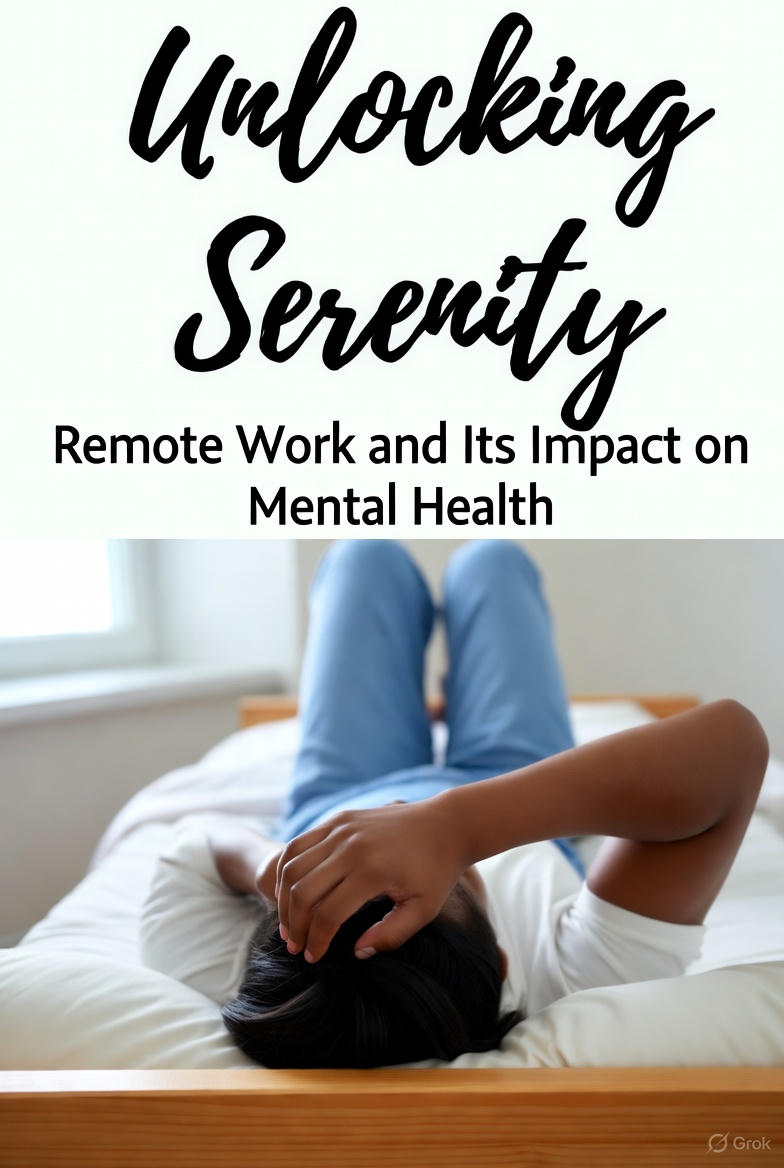

The global shift to remote work has been nothing short of revolutionary. While much of the discussion has centered on productivity metrics and cost savings, a deeper, more profound transformation has been quietly unfolding: its surprising impact on mental wellness. As an SEO content specialist with decades of experience, I’ve seen how powerful insights can resonate with an audience searching for real answers, and today we’re diving into a topic that affects millions.
Beyond the obvious perks like ditching the daily commute, remote work is redefining how we approach our psychological health and well-being. It’s not just about comfort; it’s about empowerment, autonomy, and a redesigned personal ecosystem that can foster genuine mental resilience. Let’s unpack the five most surprising ways this modern work model is positively transforming mental wellness.
1. Reclaiming Time: Beyond Commute Savings, It’s Mental Bandwidth
The most talked-about benefit of remote work is undoubtedly the elimination of the daily commute. But the impact extends far beyond saved gas money or extra sleep. That reclaimed hour (or two, or three) isn’t just “free time”; it’s mental bandwidth.
Imagine starting your workday without the stress of traffic, crowded public transport, or rushing to beat the clock. This daily reduction in cortisol levels is a consistent boost to mental well-being. Individuals have more capacity for mindfulness, a leisurely breakfast, or an early morning walk. This isn’t just about avoiding a negative; it’s about actively cultivating a positive start to each day, which significantly impacts overall mental wellness. This shift reduces decision fatigue and emotional drain, allowing for better focus and emotional regulation throughout the day.
2. Cultivating a Personalized Sanctuary: Workspaces Designed for You
Traditional offices often dictate everything from lighting to desk height, offering little scope for personal preference. Remote work flips this entirely, empowering individuals to create a workspace that is a true sanctuary. This personalized environment is a game-changer for mental health.
Whether it’s working from a sunlit corner, a minimalist desk, or even a cozy armchair, having control over your immediate surroundings significantly reduces sensory overload and enhances comfort. This autonomy fosters a sense of psychological safety and belonging. You can adjust lighting, play preferred background music, or even take calls from your garden. This ability to tailor one’s physical space directly contributes to reduced stress and enhanced focus, creating an optimal setting for sustained mental output and calm.
3. Boosting Autonomy & Mastery: The Power of Self-Directed Workflows
One of the less-obvious yet profound benefits of remote work is the surge in individual autonomy. Freed from constant supervision and rigid office schedules, remote employees often gain more control over how and when they complete tasks. This isn’t about working less; it’s about working smarter and more aligned with personal energy cycles.
This increased autonomy directly correlates with a sense of mastery and self-efficacy, crucial components of positive mental health. When you can strategically plan your day, integrate breaks, or tackle complex tasks during your peak productivity hours, the work feels more manageable and less overwhelming. This empowerment fosters a greater sense of ownership over one’s contributions, leading to reduced burnout and a boost in job satisfaction. It allows individuals to truly excel in their roles without the pressures of a one-size-fits-all corporate structure.
4. Fostering Deeper Personal Connections (and Smarter Digital Boundaries)
While some worry about isolation in remote work, a surprising benefit can be the cultivation of deeper, more intentional personal connections. Without the superficial office chatter and forced social interactions, individuals can invest their social energy more purposefully. This can mean more quality time with family, engaging with local community groups, or nurturing friendships through planned activities rather than accidental encounters.
Interestingly, this shift often prompts a re-evaluation of digital habits. When physical interaction is reduced, the quality of online engagement becomes more critical. This can lead to a more mindful approach to social media and mental health, encouraging individuals to seek out supportive online communities, engage in meaningful discussions, and set boundaries against content that detracts from their well-being. Remote workers often become more attuned to how social media and mental health intersect, leading to healthier online behaviors and stronger, authentic connections, both online and off.
5. Empowering Proactive Self-Care: Integrating Wellness Naturally
Perhaps the most surprising transformation brought about by remote work is the unparalleled opportunity for proactive self-care. When your “office” is just steps away from your kitchen, yoga mat, or even your pet, integrating wellness practices becomes significantly easier and more natural.
This means being able to grab a healthy snack, engage in a quick meditation session, take a short walk, or even do a few stretches without feeling self-conscious or needing to leave the premises. The convenience allows for a seamless integration of physical and mental health routines throughout the day. This consistent, low-barrier access to self-care mechanisms is a powerful antidote to stress and burnout, ensuring that mental wellness isn’t an afterthought but an integral part of the daily rhythm. It empowers employees to take charge of their well-being, leading to a more balanced and resilient lifestyle.
Beyond the Screen: Leveraging Remote Work for Optimal Mental Health
While the benefits are clear, it’s vital to acknowledge that remote work isn’t a panacea. Challenges like maintaining work-life boundaries, potential for overwork, and the ever-present influence of social media and mental health still exist. However, the unique flexibility of remote work offers powerful tools to mitigate these issues.
By consciously structuring your day, fostering genuine connections, and being mindful of your digital consumption (especially regarding social media and mental health), you can harness the full potential of this work model. It’s about intentionality – designing a life that leverages the freedom of remote work to prioritize your psychological well-being.
Conclusion: A New Era for Mental Wellness
The transformation of mental wellness through remote work is more complex and beneficial than often perceived. From reclaiming precious time and personalizing workspaces to boosting autonomy, fostering deeper connections, and empowering proactive self-care, the remote model offers a fertile ground for a healthier, more balanced mind.
By understanding and actively embracing these surprising benefits, individuals can not only thrive in their remote careers but also cultivate a robust foundation for enduring mental wellness. The future of work is here, and it’s a profound opportunity to revolutionize our understanding and practice of well-being.
Frequently Asked Questions (FAQs)
Q1: Is remote work always good for mental health? A1: While remote work offers numerous benefits for mental wellness, it’s not universally good. Factors like individual personality, company culture, the ability to set boundaries, and personal circumstances all play a role. It requires intentional effort to create a healthy routine and maintain social connections to prevent isolation or overwork.
Q2: How can I prevent loneliness when working remotely? A2: Actively combat loneliness by scheduling regular social interactions (both virtual and in-person), joining co-working spaces, engaging in hobbies, and setting clear boundaries between work and personal life. Prioritizing genuine connections over passive scrolling on social media and mental health well-being.
Q3: What are some practical tips for creating a mentally healthy remote workspace? A3: Designate a specific workspace, ensure good lighting, minimize clutter, incorporate plants, adjust your chair and desk for ergonomic comfort, and personalize it with items that bring you joy. Regularly stepping away for breaks is also crucial.
Q4: How does screen time in remote work impact mental wellness, especially concerning social media? A4: Increased screen time is inherent to remote work. It’s crucial to manage this by taking regular screen breaks, using the 20-20-20 rule (every 20 minutes, look at something 20 feet away for 20 seconds), and being mindful of how you use social media. Excessive or unmindful use of social media and mental health can be negatively affected, so setting limits and curating your feeds is vital.
Q5: Can remote work improve work-life balance? A5: Yes, when managed effectively, remote work can significantly improve work-life balance by offering flexibility in scheduling, eliminating commute time, and allowing for easier integration of personal appointments and family responsibilities. However, it requires discipline to avoid blurring the lines between work and home life.


